

Living with chronic pain can make even simple daily activities feel exhausting. When medications provide only temporary relief or surgery feels like a step you are not ready to take, it is natural to wonder whether other options exist. Platelet-Rich Plasma (PRP) therapy has become one of the most discussed regenerative treatments for musculoskeletal pain because it uses your body's own healing mechanisms. Here is what PRP therapy is, how it works, and who may benefit from it.
Understanding PRP Therapy and How It Works
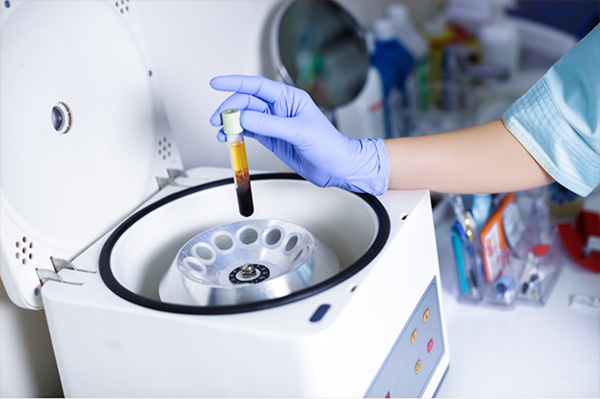
Platelet-Rich Plasma therapy is a regenerative treatment that uses a concentrated sample of your own blood to support the body's natural healing response. After a small blood draw, the sample is processed in a centrifuge to separate and concentrate platelets, which contain growth factors involved in tissue repair. The platelet-rich plasma is then injected into the injured or painful area using image guidance for accuracy.
Unlike medications that primarily reduce symptoms, PRP is intended to stimulate biological healing within damaged tissue. While it is not a cure-all, research suggests it may help reduce pain and improve function in carefully selected patients with certain orthopedic and musculoskeletal conditions.1
What Conditions Can PRP Help Treat?
PRP therapy is commonly used for chronic tendon injuries, ligament sprains, mild to moderate osteoarthritis, sports injuries, and some soft tissue conditions. Research has shown encouraging results for problems such as knee osteoarthritis, tennis elbow, plantar fasciitis, rotator cuff tendinopathy, and selected ligament injuries.
At Apollo Pain Center, regenerative medicine is part of a broader interventional pain management program that also includes treatments such as nerve blocks, epidural injections, radiofrequency ablation, and Bone Marrow Aspirate Concentrate (BMAC) therapy when clinically appropriate. Rather than relying on a single solution, treatment plans are individualized based on the source of each patient's pain.
What Happens During a PRP Injection?
The procedure is typically performed in an outpatient setting and usually takes less than an hour. After drawing your blood, it is processed to create a concentrated platelet solution. The physician then injects the PRP directly into the affected joint, tendon, ligament, or soft tissue, often using ultrasound or fluoroscopic guidance to improve precision.
Because PRP comes from your own blood, the risk of allergic reaction is extremely low. Mild soreness at the injection site for several days is common as the healing response begins.
Is PRP Better Than Steroid Injections?
PRP and corticosteroid injections serve different purposes.
Steroid injections are designed to quickly reduce inflammation and often provide faster short-term pain relief. PRP aims to encourage tissue healing, so improvement usually develops gradually over several weeks or months. Depending on the condition being treated, studies have found that PRP may provide longer-lasting symptom improvement than corticosteroid injections for some patients with chronic tendon disorders and knee osteoarthritis.
The right choice depends on the diagnosis, severity of tissue damage, activity level, and treatment goals.
Is PRP Right for You?
PRP is not appropriate for every patient or every type of pain. Individuals with advanced arthritis, significant structural joint damage, certain blood disorders, active infections, or specific medical conditions may not be ideal candidates. A comprehensive evaluation is important to determine whether regenerative therapy is likely to provide meaningful benefit.
For patients seeking non-surgical options before considering more invasive procedures, PRP may represent one component of a personalized pain management strategy designed to improve function and quality of life.
Frequently Asked Questions
- Does PRP therapy hurt?
Most patients experience only mild discomfort during the injection. Temporary soreness afterward is common and usually resolves within a few days. - How long does it take for PRP to work?
Some patients notice improvement within several weeks, while others continue to improve over two to three months as healing progresses. - How many PRP injections will I need?
The number of treatments varies depending on your diagnosis, severity of injury, and response to treatment. Some patients improve after one injection, while others benefit from a series. - Is PRP covered by insurance?
Many insurance plans consider PRP an elective regenerative treatment, so coverage varies. Your provider can discuss expected costs during your consultation. - Can PRP help me avoid surgery?
For some patients with mild to moderate musculoskeletal conditions, PRP may reduce pain and improve function enough to delay or avoid surgery. It is not a replacement for surgery when significant structural damage is present.
PRP therapy continues to expand the options available for patients seeking minimally invasive treatment for chronic musculoskeletal pain. If conservative treatments have not provided lasting relief, discussing regenerative medicine with an experienced interventional pain specialist can help determine whether PRP is an appropriate part of your treatment plan.
Reference Links:
AUTHOR: Vinay C. Belamkar, MD – Board-Certified Interventional Pain Management Specialist
Vinay C. Belamkar, MD is board certified in Interventional Pain Management, Anesthesia, and Internal Medicine. He specializes in comprehensive, minimally invasive treatments for acute and chronic spine-related pain. Dr. Belamkar has practiced interventional pain management exclusively for over a decade and is dedicated to improving function, reducing disability, and restoring quality of life for his patients.
Credentials & Recognition
Dr. Belamkar earned his medical degree from Bangalore Medical College in India before completing all of his postgraduate medical training at the Indiana University School of Medicine. His extensive training includes residency and fellowship education in Interventional Pain Management.
Following fellowship training, he served in the Pain Clinic at University Hospital in Indianapolis, where he provided advanced interventional spine and pain care. He has since provided pain management services at Witham Hospital in Lebanon, Indiana for more than eight years.
Throughout his career, Dr. Belamkar has held diverse clinical roles in primary care, hospital medicine, intensive care, anesthesia, and pain management, bringing a comprehensive, multidisciplinary perspective to the treatment of chronic pain.
Clinical Expertise
Dr. Belamkar specializes in image-guided interventional spine procedures, including epidural steroid injections, nerve blocks, and other minimally invasive treatments for conditions such as herniated discs, spinal stenosis, degenerative disc disease, and radiculopathy.
His philosophy centers on identifying and treating the underlying medical cause of chronic pain. He emphasizes functional restoration, reduced reliance on systemic medications, and minimally invasive approaches designed to improve long-term outcomes while minimizing risk.
Dr. Belamkar’s goal is to deliver high-quality, patient-centered care that reduces pain-related disability and empowers patients to regain control of their daily lives.
Medical Disclaimer: This information is for educational purposes only and does not constitute medical advice. For diagnosis and treatment recommendations, please consult with Dr. Belamkar or another qualified pain management specialist.
Content authored by Dr. Vinay C. Belamkar and verified against official sources.


